|
GODOYLAB NEWS / SUSTAINABLE DESIGN / PORTFOLIO / BIO / CONTACT INFO / HOME |
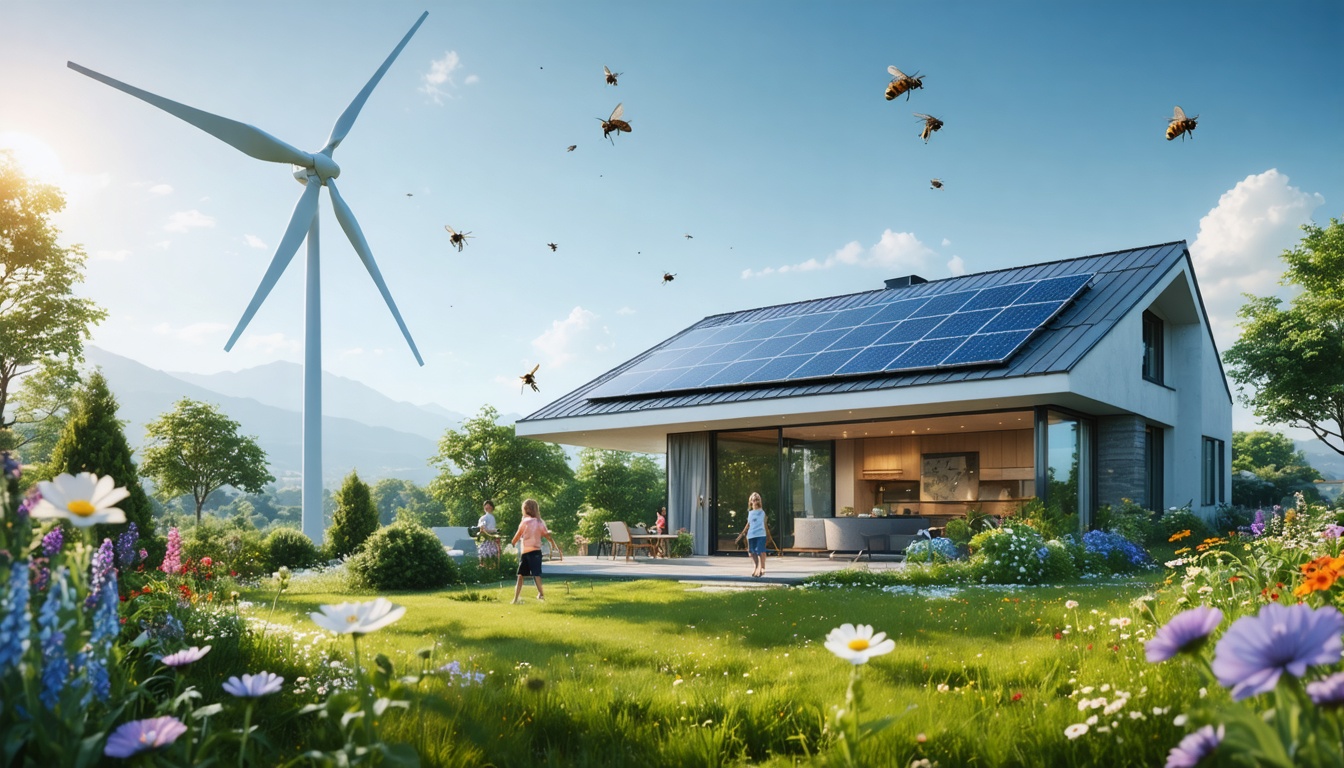
The Environmental Benefits of Choosing Renewable Energy at Home
Choosing renewable energy for your home can lead to reduced electricity costs while also contributing to environmental sustainability. By utilizing energy sources such as solar or wind, you help decrease greenhouse gas emissions associated with fossil fuel consumption, which can have a positive effect on air quality and climate stabilization efforts. The use of renewable energy sources plays a role in decreasing reliance on non-renewable energy resources, thereby mitigating pollution and its associated health risks. Studies indicate that communities that adopt renewable energy technologies may experience improved public health outcomes due to reduced air pollutants. Additionally, the transition to renewable energy can have broader implications for local economies. Increased investment in renewable energy infrastructure can create jobs in installation, maintenance, and manufacturing sectors. However, these economic benefits can vary depending on geographic and regulatory factors. It is also essential to consider the initial costs and the long-term savings associated with renewable energy systems. While upfront installation may require significant investment, many homeowners find that the long-term savings on energy bills, combined with potential tax incentives and rebates, can offset these costs over time. In summary, while the decision to convert to renewable energy involves several factors, including economic implications and environmental benefits, it is a significant step towards a more sustainable energy future. An informed choice can contribute to your community's shift towards cleaner energy solutions.
Reducing Greenhouse Gas Emissions and Air Pollution
The energy decisions made at the household level can have meaningful implications for greenhouse gas emissions and air quality. The adoption of renewable energy sources, such as solar and wind, offers a substantial opportunity to decrease emissions associated with traditional fossil fuels.
For example, the installation of solar panels, heat pumps, and wind turbines allows households to generate electricity and heat from renewable resources. If you're in Jacksonville, consider contacting Jacksonville Solar Installation Company for professional solar installation services. This transition contributes to a reduction in carbon dioxide emissions, which can enhance air quality in both local and national contexts.
In addition to renewable energy systems, the integration of electric vehicles and energy-efficient heating systems is pivotal in further lowering carbon emissions. These measures are part of a broader strategy to address climate change and its associated impacts.
On a wider scale, the implementation of renewable energy technologies has the potential to generate employment opportunities and promote economic development.
The transition towards a sustainable, Net Zero future is increasingly recognized as a necessary step in addressing global greenhouse gas emissions, highlighting the importance of both individual and collective actions in this effort.
Promoting Sustainable Resource Use
Transitioning to renewable energy sources at home can help reduce reliance on finite fossil fuel resources. Utilizing technologies such as solar panels, wind turbines, and heat pumps provides alternatives for electricity generation that can lead to lower greenhouse gas emissions, decreased air pollution, and reduced carbon dioxide output.
Renewable energy sources are inherently sustainable, as they are replenished through natural processes. This characteristic distinguishes them from fossil fuels, which are exhaustible. Implementing renewable technologies can result in cleaner electricity and heating solutions, potentially improving air quality in residential areas.
Furthermore, increased adoption of renewable energy may strengthen supply chains, thereby reducing dependence on fossil fuels. Supporting renewable energy initiatives aligns with national and international goals aimed at achieving Net Zero emissions, promoting responsible resource use.
Additionally, the growth of the renewable energy sector can contribute to job creation within the evolving green economy. As more individuals and communities invest in renewable energy, it could facilitate broader economic transitions that emphasize sustainability.
Strengthening Energy Independence and Security
Transitioning to renewable energy sources can significantly enhance energy independence and security. The installation of technologies such as solar panels, heat pumps, and wind turbines reduces dependence on fossil fuels and imported energy supplies.
In the United States, increased adoption of these renewable technologies across diverse regions can stabilize local electricity generation and supply chains.
Renewable energy generation utilizes natural resources and produces minimal greenhouse gas emissions, which contributes to the reduction of overall carbon output. This transition is relevant not only for climate change mitigation but also for job creation and the support of a sustainable economy.
Moreover, by diversifying energy sources, communities can improve their resilience to fluctuations in international energy markets.
The promotion of renewable electricity and heating can also have positive implications for public health, particularly regarding air quality, as it reduces pollutants commonly associated with fossil fuel combustion.
These aspects illustrate the potential benefits of a structured shift toward renewable energy in reinforcing energy security while also promoting environmental sustainability.
Supporting Biodiversity and Ecosystem Health
Renewable energy sources, including wind and solar power, have been shown to positively impact biodiversity conservation and ecosystem health primarily due to their low emissions during electricity generation.
The transition to these technologies, such as solar panels and wind turbines, helps reduce reliance on fossil fuels, which are linked to air pollution and adverse climate change effects.
Research indicates that cities in the United States that incorporate renewable electricity and heating solutions experience a notable decrease in carbon emissions and improved air quality.
Because renewable energy is derived from natural resources, it reduces the strain on ecosystems by minimizing the habitat destruction commonly associated with fossil fuel extraction.
Additionally, transitioning to sustainable energy sources can lead to lower greenhouse gas emissions and reduced levels of carbon dioxide, aligning with broader objectives aimed at achieving a Net Zero economy.
This transition not only supports environmental health but may also generate new job opportunities within the renewable energy sector.
In summary, integrating renewable resources represents a practical strategy for promoting environmental sustainability while meeting current energy demands.
Advancing Public Health and Community Well-being
The growing awareness of environmental and public health challenges highlights the need for renewable energy solutions in residential settings. The implementation of cleaner energy technologies such as wind turbines, solar panels, and heat pumps can lead to a reduction in air pollution and lower carbon emissions linked to energy production and heating processes.
Research indicates that cities in the United States could realize significant advantages from transitioning to these renewable energy sources. This transition may result in decreased greenhouse gas emissions and a reduced prevalence of respiratory conditions among urban populations.
Strategies that focus on achieving Net Zero emissions, encouraging the use of electric vehicles, and selecting sustainable energy options based on renewable resources are likely to contribute to lower air pollutant levels and a decrease in carbon dioxide emissions.
Additionally, improving the sustainability of supply chains and utilizing tax incentives for the adoption of renewable energy can strengthen economic resilience.
These initiatives seek to not only enhance environmental effectiveness but also improve community health outcomes and overall quality of life.
Conclusion
Opting for renewable energy in residential settings is a decision that carries various environmental and economic implications. This choice can lead to a reduction in greenhouse gas emissions, which is a critical factor in addressing climate change. Renewable energy sources, such as solar and wind, typically generate electricity with minimal emissions compared to fossil fuels. In terms of financial impact, utilizing renewable energy can contribute to lower energy costs over time. Initial investments in renewable technologies, such as solar panels, may be offset by savings on utility bills and potential incentives from government programs. Moreover, the transition to renewable energy can stimulate local economies by creating jobs in installation, maintenance, and manufacturing sectors associated with renewable technologies. This can enhance energy security as well, as households become less reliant on fluctuating fossil fuel markets. Furthermore, the adoption of renewable energy can help improve air quality. Burning traditional fossil fuels contributes to air pollution, which poses health risks; shifting to clean energy sources can mitigate these effects. Lastly, renewable energy adoption plays a role in the protection of biodiversity. By reducing the demand for fossil fuel extraction—often harmful to ecosystems—renewable alternatives support healthier environments. In summary, choosing renewable energy at home can result in measurable environmental benefits, cost savings, and socioeconomic advantages, all of which contribute to a more sustainable framework for future energy consumption.
| © Emiliano Godoy, 2005 |